





By using our website, you agree to the use of cookies as described in our Cookie Policy
Blog
Fun Basketball Drills Kids Can Practice at Home in Orange County
Most parents think youth sports development happens on a team court or inside a gym. But the real work? That's done in driveways and backyards. Orange County kids who put in time at home aren't just burning energy — they're building muscle memory, confidence, and a skill set that shows up when the game gets real. The difference between watching from the bench and leading your squad often comes down to who practiced when nobody was looking.
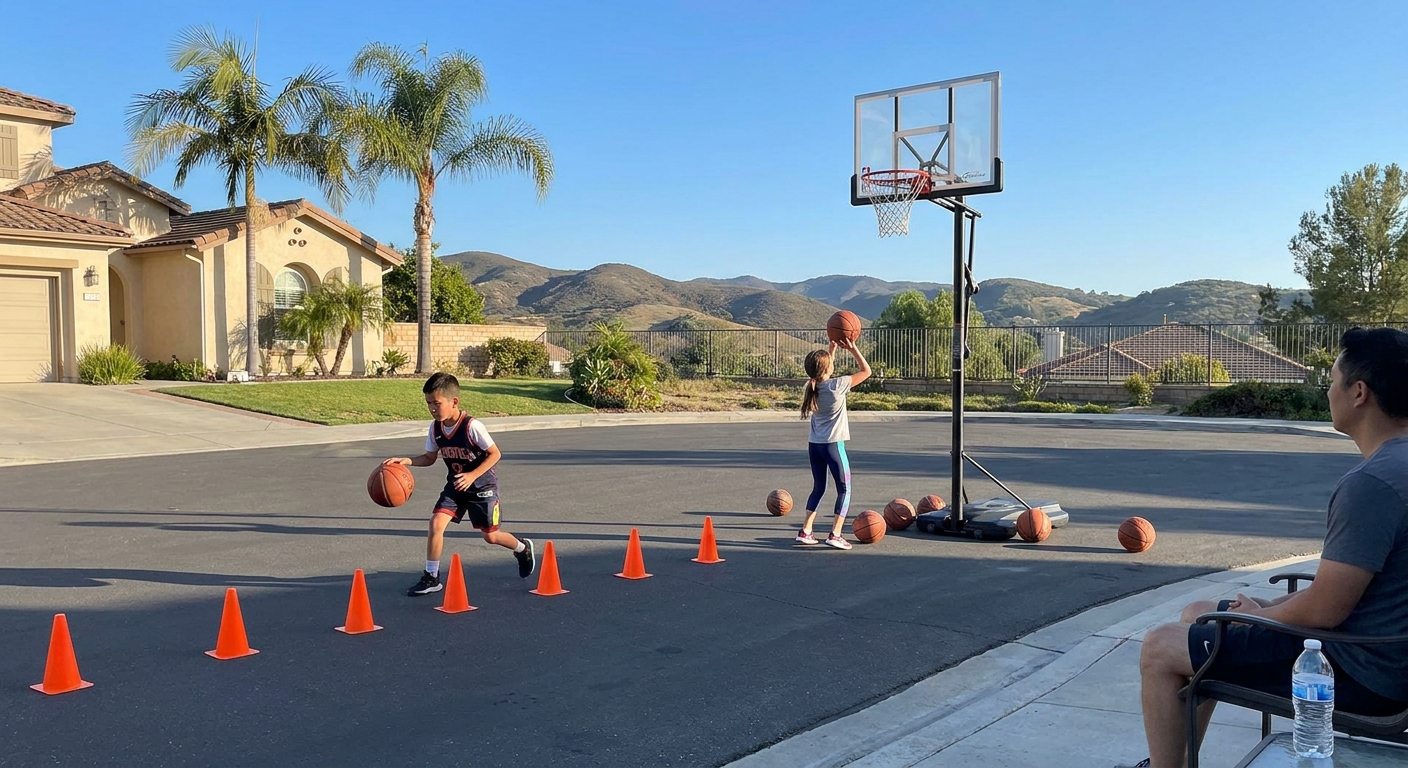
Here's what matters. If your kid loves basketball, give them the tools to get better on their own time. A hoop, some space, and a handful of drills can turn downtime into development. No carpools. No waiting for practice schedules. Just consistent reps that add up faster than most families realize.
The Gear You Actually Need
You don't need a regulation court or expensive equipment to train effectively. Most home setups work fine with what you already have or can pick up for under fifty bucks. The key is making sure your kid has access to what matters most — a ball they can control and a target they can aim for.
Start with these basics and you're good to go:
- A quality basketball sized for your child's age group
- A hoop mounted on the driveway, garage, or portable stand
- Cones or household markers like water bottles or shoes
- Proper athletic footwear with ankle support
- A clear practice zone free from tripping hazards
Ball Handling Gets Built in the Driveway
Dribbling isn't flashy, but it's foundational. Kids who can't handle the ball under pressure won't get the chance to shoot or pass. That's why ball control drills should be the first thing on the list — and the easiest to do at home. Set up a simple obstacle course using cones, toys, or anything that won't tip over. Have your child weave through while dribbling with their dominant hand, then switch to the weaker one.
Time each run and track improvement. The goal isn't perfection on day one. It's progress over weeks. As they get comfortable, add challenges like dribbling two balls at once or changing direction on command. These variations keep the drill interesting and push skill development further than repetition alone.
Shooting Accuracy Comes From Repetition
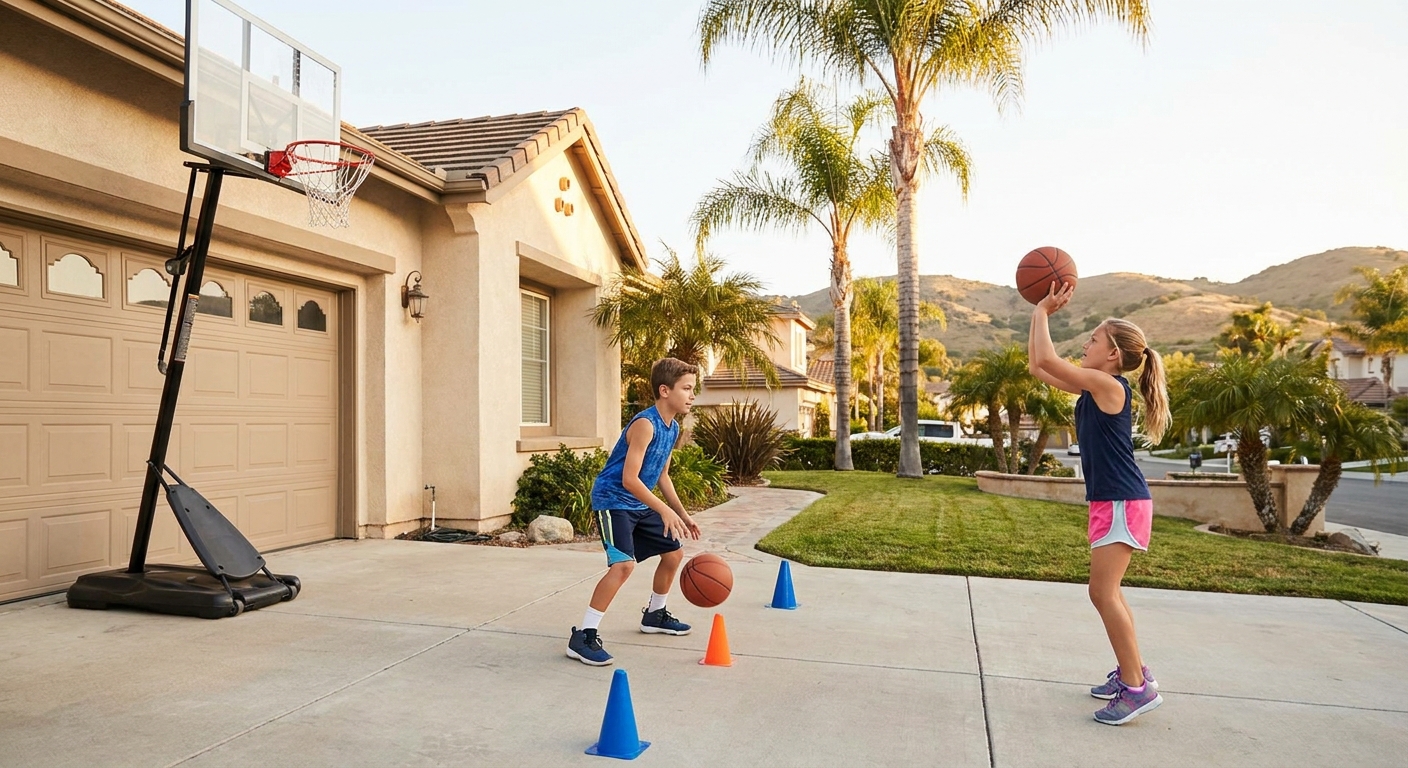
Great shooters aren't born — they're made through thousands of shots taken from every angle. The "Around the World" drill is a classic for a reason. Mark five to seven spots around the hoop at different distances and angles. Your child shoots from the first spot and only moves forward after making the basket. Miss twice from one spot? Start over.
This drill teaches patience, focus, and the mental toughness needed when the pressure's on. It also forces kids to adjust their form based on distance and positioning, which translates directly to game situations. Keep a chart on the fridge to track how many rounds they complete each week. Progress is motivating.
Passing Skills Don't Require a Partner
No teammate available? Use a wall. Stand six feet back and fire chest passes, bounce passes, and overhead throws against a solid surface. The ball will come back fast, so your child needs to be ready with soft hands and quick reactions. This drill builds passing strength, accuracy, and the ability to catch under pressure.
We recommend mixing up speeds and angles to simulate real game scenarios. Soft passes won't prepare anyone for the chaos of a live scrimmage. Push hard, catch clean, and repeat until the motion feels automatic.
Footwork Drills That Build Defensive Strength
Defense wins games, but most kids spend all their time working on offense. Defensive slide drills fix that imbalance. Set two markers about six feet apart and have your child get into a low, wide stance. They slide laterally from one marker to the other without crossing their feet or standing upright. The goal is to stay low, move quickly, and maintain balance the entire time.
Add a basketball to increase difficulty. Dribble while sliding, or have them react to commands like "switch direction" or "drop step." These movements translate directly to on-ball defense and help kids stay in front of their opponent when it counts.
Free Throws Separate Casual Players From Serious Ones
Free throws are the only time in basketball where you control everything — no defense, no chaos, just you and the hoop. That's why consistent free throw practice matters so much. Set a daily goal, whether it's twenty shots or fifty. Track makes and misses in a notebook or on a whiteboard. Over time, patterns emerge and form improves.
Turn it into competition if you've got multiple kids at home. Who can hit ten in a row first? Who improves their percentage the most in a month? Small stakes and friendly rivalry keep the drill from feeling like a chore.
Creative Drills That Keep Practice Fresh
Repetition builds skill, but boredom kills motivation. Mix up your rotation with drills that feel more like games than work. Figure-eight dribbling between the legs, dribble knockout with siblings, and timed layup challenges all qualify. The structure matters less than the engagement level.
Here are a few variations that work well at home:
- Dribble tag where one person tries to knock the other's ball away
- Shooting competitions with different point values for each zone
- Rapid-fire layups from alternating sides with a countdown timer
- Simon Says but with basketball moves like crossovers and pivots
- Horse with creative shots that force kids to try new techniques
Consistency Beats Intensity Every Time
Thirty minutes three times a week will outperform two-hour marathon sessions once a month. Basketball skills develop through regular repetition, not cramming. We've watched kids improve faster with short, focused practice blocks than with sporadic all-day efforts that leave them exhausted and frustrated.
Build a routine that fits your family's schedule and stick to it. Mornings before school, late afternoons, or right before dinner — pick a window and protect it. Track progress with simple metrics like made shots, fastest dribble times, or defensive slide endurance. Celebrate improvements, no matter how small they seem in the moment.
Safety and Smart Training Habits
Injuries don't just happen in games — they happen during sloppy practice too. Before any drill session, kids should warm up with light jogging, dynamic stretches, and a few easy shots. Jumping straight into high-intensity dribbling or cutting drills without prep is asking for rolled ankles or strained muscles.
Make sure the practice area is clear of hazards. Check for cracks in the driveway, wet spots, or debris that could cause slips. Proper footwear isn't optional — basketball shoes with ankle support reduce injury risk significantly. And in Orange County's warm climate, hydration isn't negotiable. Keep water nearby and enforce breaks.
Turning Backyard Reps Into Game Performance
Home practice only matters if it shows up on the court. The best way to ensure transfer is to simulate game conditions as much as possible. Add pressure with timers, consequences for missed shots, or distractions like calling out random numbers while they dribble. The more realistic the drill environment, the more prepared your child will be when the whistle blows.
Film practice sessions occasionally and review them together. Seeing themselves on screen helps kids identify bad habits they don't notice in the moment — like looking down while dribbling or rushing their shot. Adjust based on what the footage reveals, then practice the correction until it sticks. Many families find that combining home drills with instructional videos helps kids understand proper form and technique better.
Making It Fun Without Losing Focus
Basketball development doesn't have to feel like boot camp. Play music during drills. Let kids choose which exercises to do first. Offer small rewards for hitting milestones, like a trip for frozen yogurt or an extra hour of screen time. The goal is to associate practice with fun, not drudgery.
Invite neighbors or friends over for group sessions. Competition naturally raises effort levels, and social interaction keeps kids engaged longer. Just make sure the focus stays on skill-building, not just playing pickup games with no structure. Youth camps can also provide additional structured training opportunities during school breaks.
What You'll See After a Few Weeks
Results don't show up overnight, but they do show up. After a few weeks of consistent home practice, most kids notice improvements in ball control, shooting accuracy, and overall confidence. They'll move differently on the court — more fluid, more decisive, less hesitant. Coaches notice too, and playing time tends to follow.
Here's what typically improves first:
- Dribbling speed and control with both hands
- Shooting consistency from mid-range spots
- Footwork and defensive positioning
- Passing accuracy and catching under pressure
- Free throw percentage and mental toughness
Bringing the Work Home Pays Off
Orange County has no shortage of talented young athletes, and the ones who rise above the pack aren't always the most naturally gifted. They're the ones who put in extra work when nobody's watching. Home drills give your child that edge without the overhead of travel teams or private coaching — at least not yet. Families in Mission Viejo, Lake Forest, and Ladera Ranch can access professional training programs when they're ready to take the next step. Start with consistent reps, track progress honestly, and watch the game come together one drill at a time.
Ready to Help Your Young Athlete Level Up
We know how much dedication it takes to help your child reach their basketball goals, and we're here to support you every step of the way. If you're looking for expert guidance, personalized training, or just want to talk about the best next steps for your young player, let's connect. Give us a call at 949-836-2711 or contact us today to get started on your family's basketball journey.
‹ Back
Recent Posts
-
Why Year-Round Basketball Training Helps Orange County Players Improve
November 11, 2026
-
Fun Basketball Drills Kids Can Practice at Home in Orange County
October 28, 2026
-
-
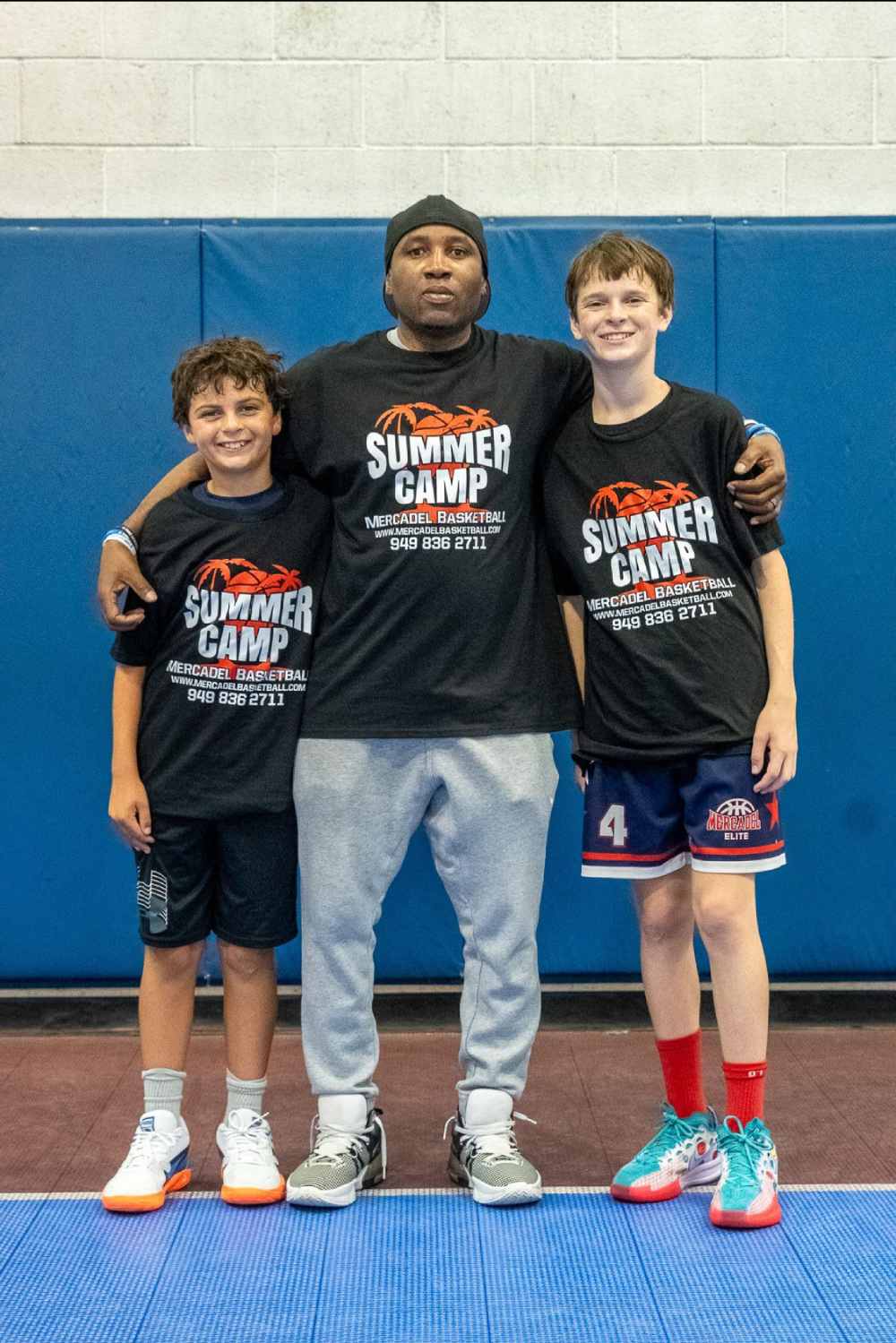
Building Leadership Skills Through Youth Basketball in Orange County
September 30, 2026
-
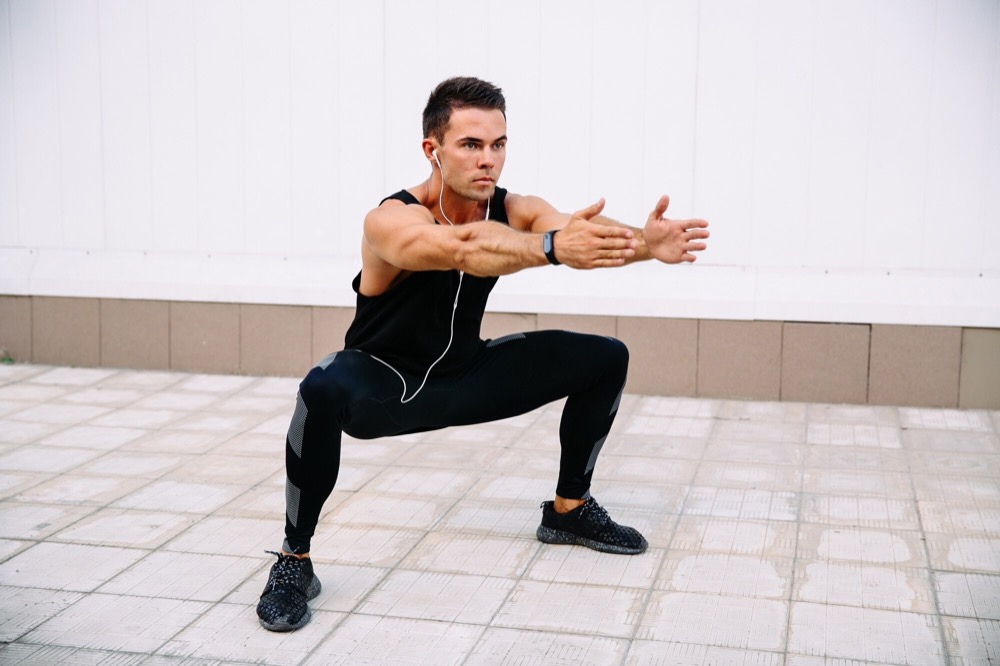
Strength Training for Explosive Basketball Movements
March 5, 2025