





By using our website, you agree to the use of cookies as described in our Cookie Policy
Blog
Building Leadership Skills Through Youth Basketball in Orange County
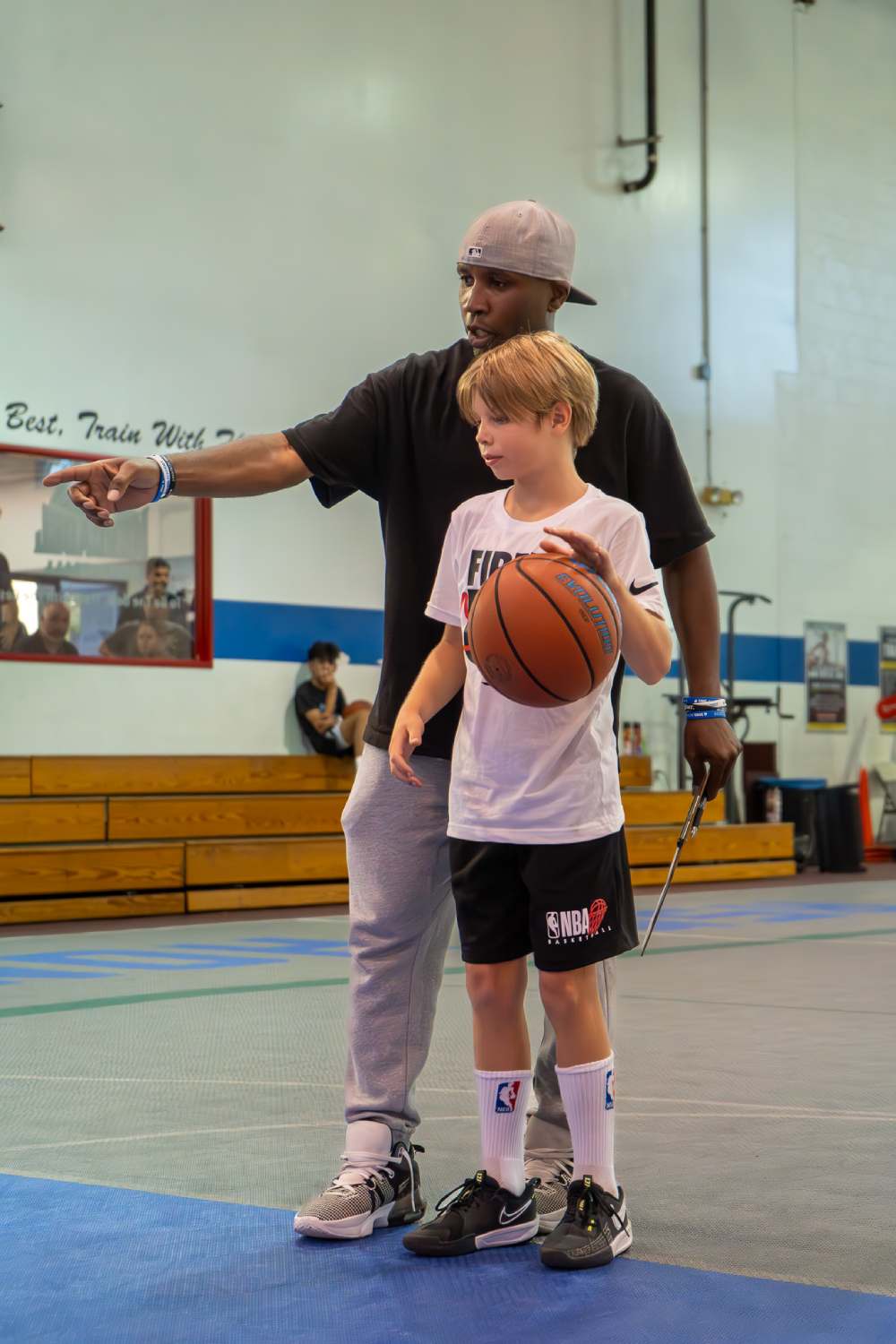
Orange County gyms echo with more than just bouncing basketballs and squeaking sneakers. They're incubators for something deeper—leadership that sticks. Youth basketball isn't just about perfecting a jump shot or running plays. It's about learning to step up when the game's on the line, to speak when teammates need direction, and to own mistakes when things fall apart. The court becomes a testing ground for the kind of grit and presence that shows up later in boardrooms, classrooms, and everywhere else that demands real backbone.
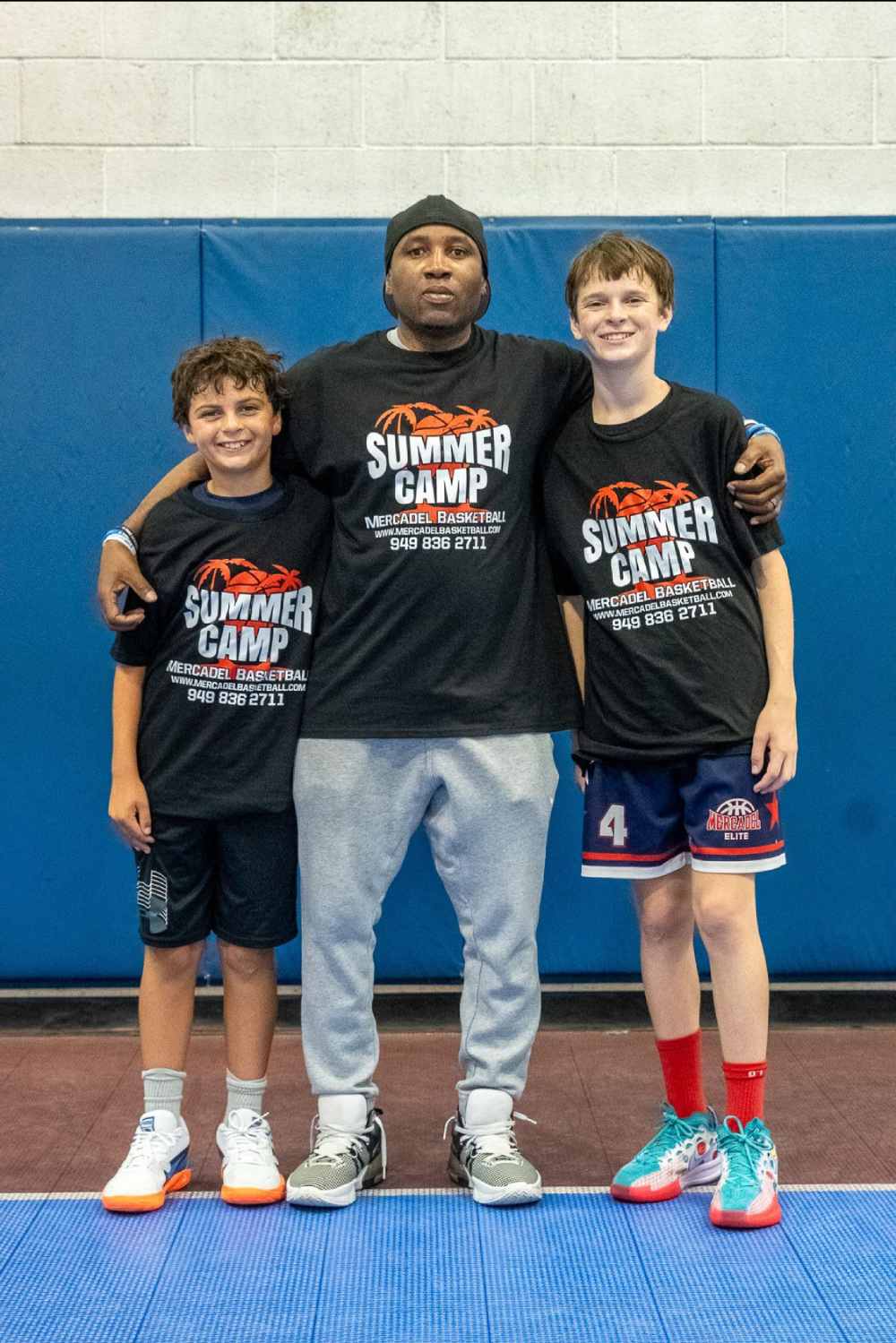
Parents sign their kids up thinking it's about fitness or fun. Those things matter, but the real payoff comes from watching a quiet kid become a vocal captain, or seeing a hotheaded player learn to control their emotions under pressure. These shifts don't happen by accident. They're the result of elite basketball training for Orange County athletes, coaches who demand accountability, and environments where young athletes are pushed to lead—not someday, but right now.
What Happens When Everyone Needs Everyone
Basketball forces players to depend on each other in real time. No one dominates alone. Even the best scorer needs someone setting screens, feeding passes, and covering defensively. Orange County programs lean into that dynamic hard. Coaches build rosters that mix skill levels, personalities, and backgrounds, creating friction that teaches kids how to navigate differences while chasing a shared goal. That's where empathy gets built—not in lectures, but in the messy work of figuring out how to communicate with someone who thinks and moves differently.
Players who struggle to lead naturally get thrown into situations where they have no choice. Maybe they're tasked with calling out defensive assignments or organizing the team before a weekend tournament. Those moments matter. They teach young athletes that leadership isn't about being the loudest or most talented. It's about showing up consistently and making the people around you better.
- Collaboration under time pressure sharpens decision-making instincts
- Diverse team rosters expose players to different communication styles
- Shared goals force accountability beyond individual performance
- Conflict resolution becomes a daily practice, not a theoretical skill
- Trust gets built through repeated reliance on teammates in high-stakes moments
Ownership Isn't Negotiable
Coaches in Orange County don't just teach basketball—they teach consequences. Miss a practice? You sit. Show up late? The team runs. Blame a teammate for a turnover? Expect a conversation. That's not harsh; it's preparation. Leadership without accountability is just noise, and youth basketball programs here make sure players understand that early. When a player is named captain, they're not getting a trophy. They're getting a job, and the expectations come with it.
The beauty of this approach is that it scales. A twelve-year-old learning to own a defensive breakdown is practicing the same mindset they'll need when they're managing a project team or running a student organization. The stakes feel enormous on the court because they are—at least in that moment. And that emotional investment is what burns the lesson in. Responsibility becomes reflexive, not something they think about only when someone's watching.
- Clear expectations eliminate confusion about what leadership requires
- Consistent consequences teach players that actions carry weight
- Role assignments give young athletes structured opportunities to lead
- Mistakes become learning moments instead of reasons to deflect blame
- Confidence grows when players see their reliability positively impact the team
Speaking Up When It Counts
A timeout with fifteen seconds left and the game tied—that's when communication matters most. Orange County coaches drill this constantly. They want players calling out switches, directing cuts, and encouraging teammates who just bricked a free throw. It's uncomfortable at first. Most kids would rather stay quiet than risk sounding wrong. But silence kills momentum, and good programs break that habit fast.
What players discover is that motivation isn't about giving speeches. It's about reading the room and knowing when someone needs a push versus when they need reassurance. The best young leaders learn to adapt their tone and message based on the situation. That's a skill most adults never master, yet kids on basketball courts are forced to figure it out in real time, over and over, until it becomes second nature.
- High-pressure moments force players to articulate thoughts quickly and clearly
- Constructive feedback becomes a tool for improvement rather than criticism
- Verbal encouragement builds team morale during tough stretches
- Reading emotional cues helps players adjust their communication style
- Confidence in speaking up translates directly to classroom and social settings
Pressure Reveals Character
Losing a close game stings. Getting benched hurts. Facing a team that's bigger, faster, and more skilled? That's intimidating. But those moments separate kids who fold from kids who find another gear. Orange County basketball programs don't shelter players from adversity—they engineer it. Coaches schedule tough opponents. They run grueling conditioning drills. They put players in uncomfortable positions and watch how they respond.
Resilience isn't about never struggling. It's about what happens after the struggle. Do players quit, complain, or start pointing fingers? Or do they adjust, refocus, and come back stronger? The athletes who learn to lead through discomfort carry that composure into every challenge they face later. They've already experienced the worst-case scenario on a basketball court, so the pressure in other areas feels manageable by comparison.
- Difficult matchups teach players to adapt strategies on the fly
- Physical conditioning builds mental toughness alongside endurance
- Setbacks become opportunities to demonstrate composure under stress
- Coaches model how to analyze failure without letting it define future performance
- Bouncing back from losses builds confidence in handling future adversity
Leading Beyond the Lines
The best youth basketball programs in Orange County understand that leadership doesn't stop when the final buzzer sounds. Teams participate in community events, charity games, and local outreach initiatives. Players learn that their visibility comes with responsibility. They're not just athletes—they're representatives of something bigger, and people are watching how they carry themselves.
This outward focus shifts the definition of success. Winning games feels great, but contributing to the community creates purpose. Players start to see themselves as role models, which changes how they behave both on and off the court. That sense of accountability to something larger than personal achievement is what separates athletes who merely perform well from those who genuinely lead.
- Community involvement teaches players that leadership includes service
- Charity tournaments provide tangible ways to give back locally
- Visibility as athletes creates teachable moments about public responsibility
- Role model expectations push players to maintain high standards consistently
- Social awareness grows when players see how their actions impact others
The Courts Build More Than Players
Orange County youth basketball programs aren't just developing better athletes. They're shaping individuals who know how to communicate under pressure, take ownership when things go wrong, and lift others when the moment demands it. These skills don't show up overnight, and they don't come from sitting on the bench or playing it safe. They come from being thrown into real situations where leadership is required, not optional.
Every drill, every timeout, every tough loss is preparation for something bigger. The players learning these lessons now will carry them forward—into high school, college, careers, and every situation where someone needs to step up and lead. That's the real game being played on these courts, and it's one that lasts a lifetime. Young athletes who train in Mission Viejo, Lake Forest, and Ladera Ranch are building foundations that extend far beyond the game itself.
Ready to Help Your Young Athlete Lead?
We believe every young player deserves the chance to grow into a confident leader both on and off the court. If you want to see your child develop these essential skills through basketball, let’s talk about how we can support their journey. Call us at 949-836-2711 or contact us today to get started with a program that puts leadership first.
‹ Back
Recent Posts
-
Building Leadership Skills Through Youth Basketball in Orange County
September 30, 2026
-

Strength Training for Explosive Basketball Movements
March 5, 2025
-

Understanding Offensive Strategies in Basketball
February 19, 2025
-
The Importance of Rest and Recovery in Basketball Training
February 5, 2025
-
The Science Behind Basketball Agility and Quickness
January 22, 2025