




By using our website, you agree to the use of cookies as described in our Cookie Policy
Blog
10 Basketball Skills Every Young Player in Orange County Should Learn
Most young players think basketball is about flashy dunks and buzzer-beaters. It's not. The real game is built on fundamentals — and if you skip them, you're setting yourself up for frustration. Talent gets you noticed, but skills keep you on the court. Every elite player started by mastering the basics, and that foundation is what separates the kids who improve from the ones who plateau.
So here's the reality. If you're serious about ball, you need to invest in the fundamentals before you worry about highlights. Every drill should have a purpose. Every rep should build on the last. And every skill you develop should be rooted in what actually wins games — not just what looks good on Instagram.
Ball Control Makes or Breaks Your Game
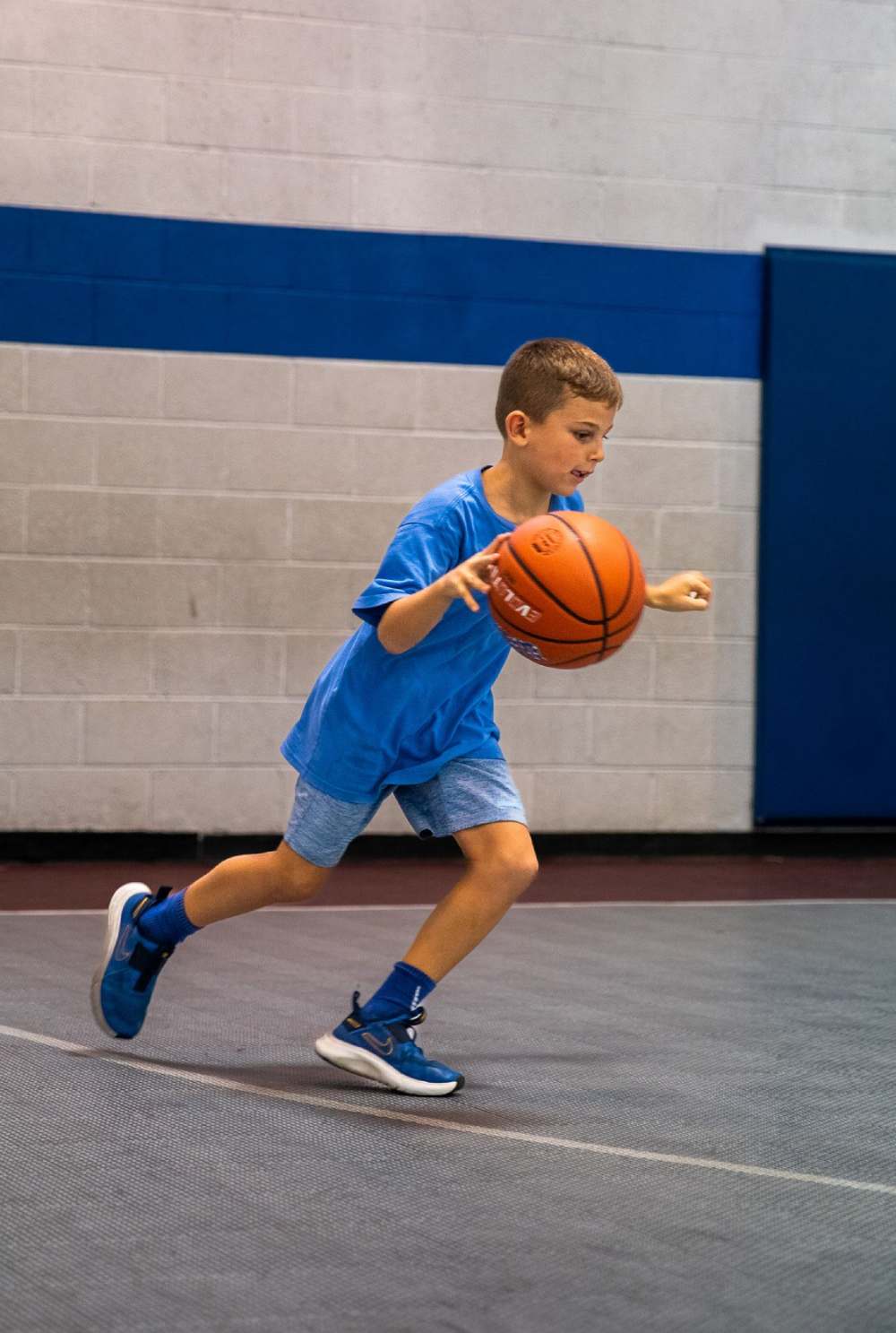
You can't do anything without the ball, and you can't keep the ball if you can't dribble. Dribbling isn't just about getting from point A to point B — it's about controlling pace, reading defenders, and creating opportunities. Young players need to work both hands equally, keep their eyes up, and get comfortable handling pressure.
Crossovers, hesitations, and between-the-legs moves aren't just for show. They're tools that create space and throw defenders off balance. But none of that matters if your fundamentals are sloppy. Master the basics first, then layer in the moves.
Shooting Separates Scorers from Passengers
Anyone can throw the ball at the hoop. Not everyone can make it go in consistently. Shooting is about repetition, mechanics, and confidence. Your form matters — hand placement, elbow alignment, follow-through — all of it needs to be locked in.
Start close and work your way out. Layups, free throws, mid-range jumpers, then threes. If you can't hit from fifteen feet, you're not ready for the arc. And if your free throws are inconsistent, you're leaving easy points on the table. Shooting is the skill that gets you playing time, so treat it like the priority it is.
Passing Wins More Games Than Highlight Reels
Basketball is a team sport, and teams that move the ball win. Passing isn't glamorous, but it's the glue that holds offenses together. Chest passes, bounce passes, skip passes — each one has a situation where it's the right call.
You need to know when to lead a teammate, when to hit the cutter, and when to swing it to the open shooter. Bad passes lead to turnovers, and turnovers lose games. If you're the player who makes everyone around you better, coaches will find a way to keep you on the floor.
Defense Demands More Than Effort
Playing defense is about positioning, anticipation, and refusing to give up easy buckets. Staying low, moving your feet, and keeping your hands active — those are the non-negotiables. Young players who can lock down their assignment earn respect fast.
You don't need to be the tallest or the fastest to play great defense. You need to be disciplined and relentless. Learn how to slide without crossing your feet. Understand help defense. Know when to contest a shot and when to force a tough pass. Defense is where hustle meets IQ, and both matter.
Rebounding Is About Want, Not Height
Rebounds don't belong to the tallest player — they belong to whoever wants them more. Boxing out, timing your jump, and securing the ball with two hands are the fundamentals. Offensive rebounds create second chances. Defensive rebounds end possessions.
Young players who dominate the glass give their team an edge every single game. It's not about athleticism; it's about effort and positioning. If you're not rebounding, you're not competing.
Footwork Unlocks Every Other Skill
Great footwork makes everything else easier. Pivoting, cutting, stopping on a dime — all of it starts with how you move your feet. Footwork keeps you balanced, helps you change direction, and gives you an advantage over slower defenders.
Drills that focus on agility, lateral movement, and quick stops pay off in every part of your game. From driving to the basket to setting up your shot, footwork is the foundation. Ignore it, and you'll never reach your ceiling.
Handling Pressure Reveals Who's Ready
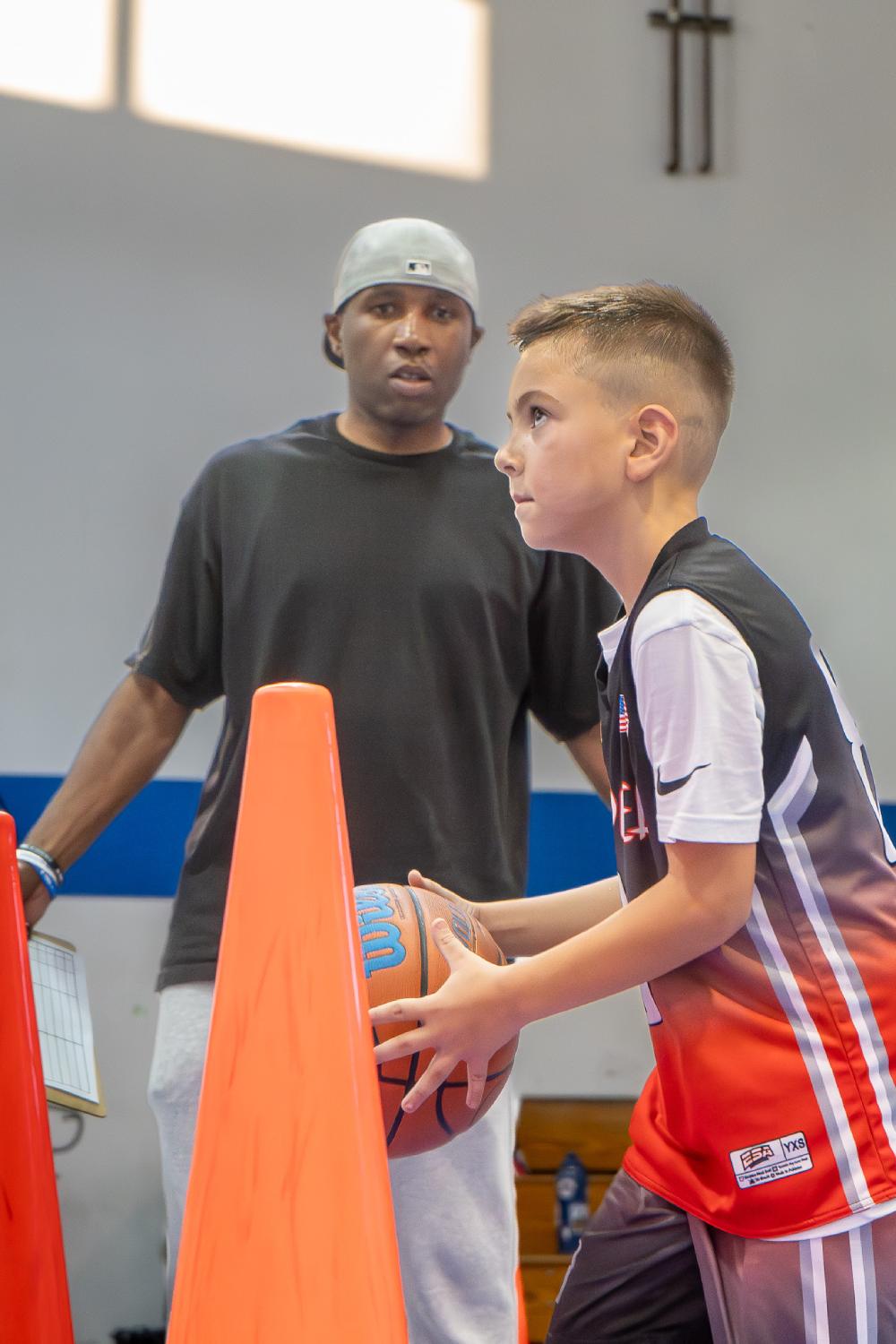
Anyone can dribble when no one's guarding them. The real test is what happens when a defender is in your face. Protecting the ball, staying calm, and making smart decisions under pressure are skills that separate good players from great ones.
Young athletes need to practice against tight defense, learn how to shield the ball with their body, and develop the vision to find open teammates when the defense collapses. If you can handle the ball under pressure, you're trusted in crunch time.
Stay Sharp, Communicate, and Outlast the Competition
Basketball isn't just about what you do with the ball — it's about what you see, say, and how long you can sustain it. Court awareness means reading the game before it happens. Communication keeps everyone locked in and prevents blown assignments. And conditioning? That's what separates players who fade in the fourth from those who finish strong. If you want to control games instead of just playing in them, these three things aren't optional.
What separates good players from great ones:
- Court awareness — Know where everyone is before the play develops. Watch film, play pickup, and study how defenses rotate so you can make faster, smarter decisions.
- Communication — Call out screens, switches, and assignments. Clear, timely talk keeps your team organized and prevents breakdowns when it matters most.
- Conditioning — Your skills don't mean much if you're gassed by halftime. Run hard, train your body, and make sure your stamina matches your talent so you stay dangerous all game long.
Where Players Get Stuck
Most young athletes focus on what looks cool instead of what works. Skipping footwork drills to practice trick shots is a shortcut to mediocrity. Fundamentals aren't flashy, but they're the only thing that holds up under real competition.
Another trap is thinking talent alone is enough. Talent gets you noticed. Skills keep you relevant. The players who put in the work — the boring, repetitive, unglamorous work — are the ones who keep improving while everyone else stalls out.
Common Questions About Youth Basketball Skills
What's the most important skill for young players?
Ball handling. If you can't control the ball, everything else becomes harder. Dribbling with both hands and keeping your head up are foundational.
How often should young players practice?
Daily, even if it's just fifteen minutes. Consistency beats long, sporadic sessions. Skills are built through repetition, not cramming.
Can defense really be taught?
Absolutely. Defense is about discipline, positioning, and effort — all coachable. Players who commit to defensive fundamentals become assets on any team.
Building Skills That Last
Basketball isn't just about what you do on game day. It's about the hours you put in when no one's watching. Young players in Orange County who commit to these ten skills aren't just preparing for the next season — they're building a foundation that will carry them through high school, college, and beyond. Many families in Mission Viejo CA, Lake Forest CA, and Ladera Ranch CA seek structured programs to accelerate this development, and options like skills academy training, youth camps, and semi-private training provide focused environments where fundamentals are prioritized.
Development takes time, patience, and a willingness to do the hard work that doesn't show up on the stat sheet. But the players who invest in fundamentals are the ones who keep getting better, keep earning minutes, and keep earning respect. The court doesn't lie, and neither do the results.
Ready to Elevate Your Game?
We know how important it is for young athletes to build a strong foundation and develop the skills that truly make a difference on the court. If you’re looking for expert coaching and a supportive environment where your player can thrive, let’s connect and talk about how we can help. Give us a call at 949-836-2711 or contact us today to get started on the path to real improvement.
‹ Back
Recent Posts
-
-
Building Leadership Skills Through Youth Basketball in Orange County
September 30, 2026
-
Strength Training for Explosive Basketball Movements
March 5, 2025
-
Understanding Offensive Strategies in Basketball
February 19, 2025
-
The Importance of Rest and Recovery in Basketball Training
February 5, 2025